
2026-10-10 · David Ramirez
How Rainy Season Affects Slab Leaks in Greenacres Homes
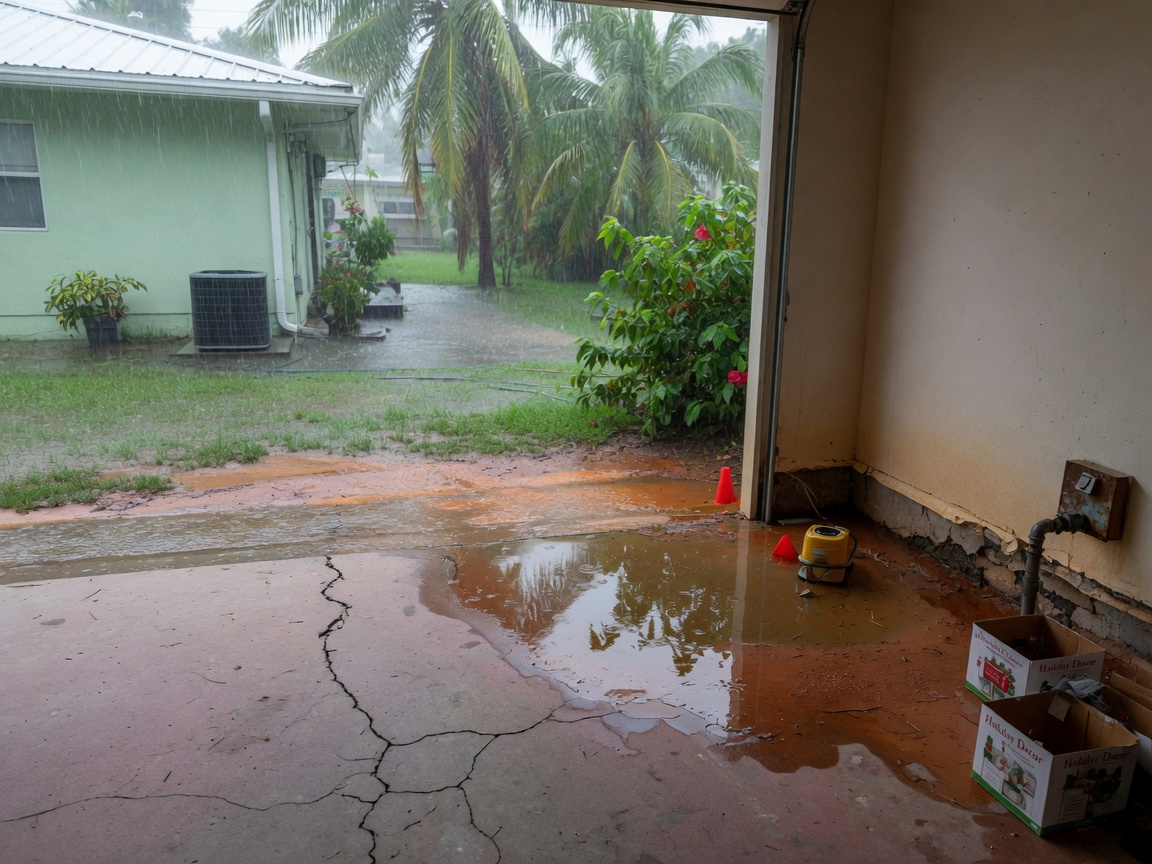
Greenacres' rainy season, typically from May through October, plays a critical role in both initiating and exacerbating slab leaks in homes throughout the area. The consistent, heavy rainfall leads to saturated soils around and beneath foundations, which can exert immense pressure on underground pipes and concrete slabs. This increased hydrostatic pressure, combined with soil expansion and contraction, stresses the plumbing systems embedded within or beneath your home's foundation, making existing weaknesses more likely to fail and new leaks more prevalent. Homeowners in neighborhoods like Pine Ridge, The Acreage, and throughout the wider Greenacres area often see a noticeable uptick in slab leak issues during these wet months, necessitating a proactive approach to home maintenance and prompt action at the first sign of trouble.
Understanding Soil Dynamics and Hydrostatic Pressure
The sandy and clay-rich soils prevalent across Greenacres and the surrounding Palm Beach County area react significantly to moisture. During dry spells, these soils can shrink, creating voids around your foundation. When the rainy season arrives, these voids rapidly fill with water, causing the soil to swell dramatically. This constant cycle of expansion and contraction puts immense stress on your home's foundation and, crucially, on the water and sewer lines buried beneath it. The expansive force of saturated soil can shift pipes, weaken joints, and even cause pipes to rupture. Simultaneously, the elevated water table creates hydrostatic pressure, pushing upwards on the slab and inwards on foundation walls. This pressure can force water through minute cracks in the concrete or compromise the integrity of pipes, leading to insidious leaks that may go unnoticed until significant damage has occurred. Recognizing these localized soil dynamics is vital for understanding why slab leaks are a particular concern for Greenacres homeowners.
Increased Water Usage and Detection Challenges
Beyond the direct impact of soil and pressure, the rainy season often masks the early warning signs of a slab leak. With rain constantly soaking the ground, visible damp spots around the foundation or unusual green patches in the lawn might be dismissed as normal. Furthermore, many Greenacres residents increase their indoor water usage during the humid summer months for activities like longer showers or running air conditioning more frequently, which can make it harder to spot an unusually high water bill – a common indicator of a slab leak. This combination of external moisture and altered consumption patterns makes early detection challenging. Homeowners must be extra vigilant for less obvious signs, such as unexplained warm spots on floors, the sound of running water when no fixtures are in use, or a persistent musty odor. For a detailed guide on identifying these subtle clues, refer to our article on Step-by-Step Guide to Spotting Slab Leaks in Greenacres Properties.
Common Causes of Rainy Season Slab Leaks
Several factors contribute to slab leaks during Greenacres' rainy season. Firstly, corrosion is a major culprit. The constant presence of moisture in the soil, especially if it's acidic or contains high levels of minerals, can accelerate the corrosion of copper pipes. While PEX piping is more resistant, older homes in Greenacres, particularly those built in the 1970s and 80s around areas like Military Trail or Jog Road, often have copper lines that are more susceptible. Secondly, ground movement from saturated, expanding soils can cause pipes to rub against the concrete slab or rebar, leading to abrasion and eventual leaks. Even minor shifts can compromise pipe integrity over time. Thirdly, poor pipe installation or inferior materials can become evident under the added stress of hydrostatic pressure. If pipes were laid without proper bedding or protective sleeves, they are more vulnerable to damage from soil movement. Finally, the sheer volume of water entering the ground can simply overwhelm existing small cracks in pipes, turning minor issues into significant leaks.
Preventive Measures for Greenacres Homes
While you can't control the weather, Greenacres homeowners can take several proactive steps to mitigate the risk of rainy season slab leaks. Ensuring proper drainage around your home is paramount. This includes maintaining clean gutters and downspouts that direct water away from the foundation, and grading your landscape so that water flows away from the house rather than pooling. Consider installing French drains in areas prone to water accumulation. Regularly inspecting your property for signs of excessive moisture near the foundation, even during dry periods, can help identify potential problem areas before the rains hit. For homes with older plumbing, a professional plumbing inspection before the rainy season can identify vulnerable pipes. If you suspect a leak, even a small one, during the rainy months, it's crucial to act quickly. Our Emergency Slab Leak Repair services are available to address urgent situations and prevent extensive damage to your home and foundation.
The Importance of Professional Slab Leak Detection and Repair
Given the challenges of detecting slab leaks during the rainy season and the potential for severe damage, professional assistance is often essential. Our Greenacres-based team utilizes advanced non-invasive detection equipment, such as acoustic leak detectors and thermal imaging cameras, to pinpoint the exact location of a leak without unnecessary demolition, even when the ground is saturated. This precision is critical for minimizing repair costs and disruption. Once a leak is identified, prompt and effective repair is crucial. Whether it involves a targeted spot repair, a pipe rerouting, or a complete repipe, addressing the issue correctly the first time prevents recurring problems. Ignoring a slab leak, especially during periods of heavy rainfall, can lead to significant structural damage, mold growth, and skyrocketing water bills. For more information on how we accurately locate these hidden leaks, visit our Slab Leak Detection page.